Alternate Nostril Breathing for Stress Relief
Alternate nostril breathing, known in the yogic tradition as nadi shodhana pranayama, is a structured breathing technique that involves alternating the airflow between the left and right nostrils. This practice has been used for centuries as part of a broader system of breath control, with the intention of balancing the body’s energy channels and promoting a sense of mental clarity. In recent years, it has gained attention in wellness circles for its potential role in supporting stress management and fostering a calm state of mind.
The technique is rooted in the understanding that breathing patterns influence the autonomic nervous system. By consciously regulating the breath in a specific rhythm, practitioners may create conditions that encourage relaxation and reduce the perception of stress. This article provides a detailed breakdown of how to perform alternate nostril breathing, explores its effects on the nervous system, and offers guidance on when it might be most beneficial to incorporate into a daily routine.
Understanding the Practice of Alternate Nostril Breathing
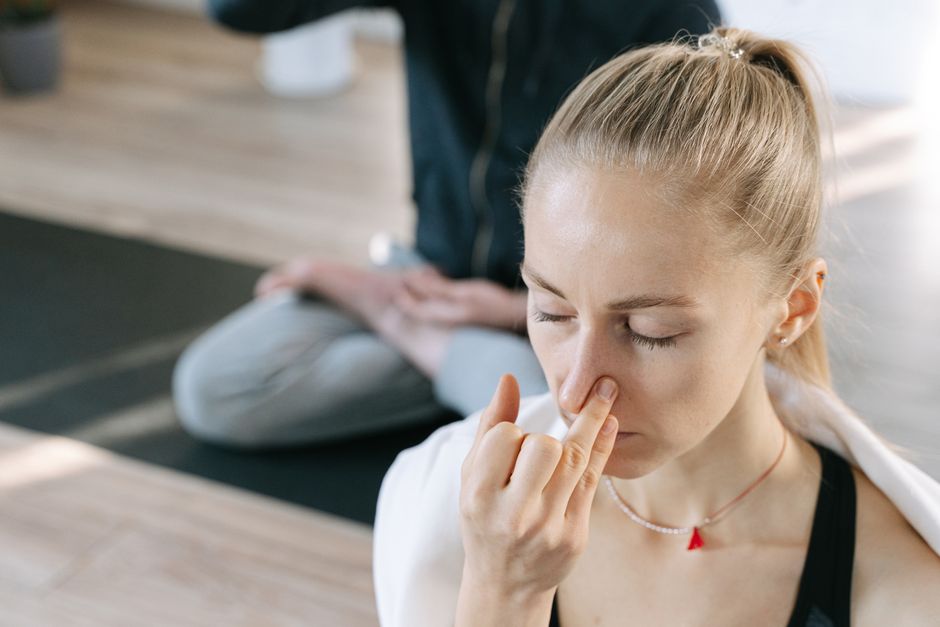
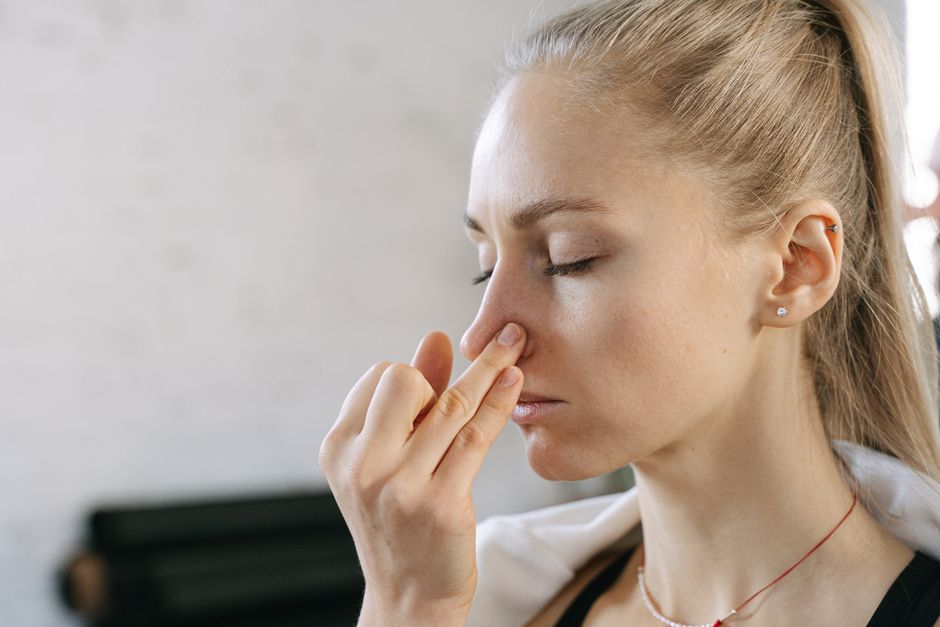
Alternate nostril breathing is typically performed in a seated position with the spine relatively straight. The practitioner uses the right hand to gently close one nostril at a time, while the left hand rests on the knee or in a comfortable position. The core sequence involves inhaling through one nostril, closing it, exhaling through the opposite nostril, then inhaling through that same nostril, and repeating the cycle. This pattern creates a balanced rhythm of inhalation and exhalation through each side of the nose.
The practice is often described as having a balancing or harmonizing effect on the two hemispheres of the brain, though the precise physiological mechanisms are still being studied. From a practical standpoint, the deliberate focus on the breath and the gentle manual pressure on the nostrils require a degree of concentration, which can shift attention away from racing thoughts or external distractions. This redirection of awareness is a key component of many stress-reduction techniques.
Step-by-Step Instructions for Performing Nadi Shodhana
To practice alternate nostril breathing, begin by finding a comfortable seated position. Sit on a cushion, a chair, or on the floor with the spine tall but not rigid. Place the left hand on the left knee with the palm facing upward or resting in a relaxed position. Bring the right hand up to the nose and make a gentle fist with the index and middle fingers extended toward the thumb. Alternatively, one can simply use the thumb and ring finger to close the nostrils, keeping the other fingers relaxed.
- Close the right nostril with the right thumb. Inhale slowly and steadily through the left nostril for a count of four seconds, or for a duration that feels comfortable.
- At the top of the inhalation, close the left nostril with the ring finger, release the thumb from the right nostril, and exhale through the right nostril for a count of four seconds.
- Without pausing, inhale through the right nostril for a count of four seconds.
- Close the right nostril with the thumb, release the ring finger from the left nostril, and exhale through the left nostril for a count of four seconds.
- This completes one full cycle. Continue for five to ten cycles, or for a duration of five to ten minutes, depending on comfort and experience.
It is important to maintain a smooth and unhurried pace. If the breath feels forced or strained, the duration of each inhalation or exhalation can be shortened. Over time, some practitioners choose to extend the breath length or add a gentle pause at the top or bottom of the breath, but this is not necessary for the basic calming effect. The emphasis should remain on ease and regularity rather than on achieving a specific rhythm.
How Alternate Nostril Breathing Influences the Nervous System
The nervous system is divided into the sympathetic branch, which is associated with the fight-or-flight response, and the parasympathetic branch, which supports rest and digestion. Many breathing techniques, including alternate nostril breathing, are thought to facilitate a shift toward parasympathetic dominance. This shift is often accompanied by a reduction in heart rate, lower blood pressure, and a decrease in the production of stress hormones such as cortisol.
Research on pranayama practices suggests that slow, rhythmic breathing can stimulate the vagus nerve, a key pathway for parasympathetic activity. The alternating pattern of nostril breathing may also influence the trigeminal nerve and the olfactory system, which are connected to brain regions involved in emotional regulation. While the exact pathways are complex, the observed outcome is a subjective feeling of calmness and mental stillness. It is important to note that individual responses vary, and the practice does not guarantee a specific physiological change. Rather, it creates an environment in which the nervous system may naturally move toward a state of balance.
Recommended Times and Contexts for Daily Practice
Many practitioners find that alternate nostril breathing is most effective when practiced at consistent times each day. Morning practice, before the demands of the day accumulate, can help set a calm tone. Evening practice, before bed, may support the transition from a busy day to a restful state. However, the practice can be used at any time when a moment of stillness is needed, such as during a work break or before a challenging conversation.
It is worth noting that the effect of the practice can be context-dependent. In a quiet environment with minimal distractions, the calming influence may be more pronounced. Conversely, in a noisy or chaotic setting, the practice can still serve as an anchor for attention, though the subjective experience may differ. Some individuals report that regular practice leads to a greater awareness of their own breathing patterns throughout the day, which can help them recognize early signs of stress and respond more mindfully.
Consistency is often more important than duration. Practicing for five minutes daily over a period of weeks may yield more noticeable shifts in stress perception than a single longer session.
Considerations and Complementary Practices
Alternate nostril breathing is generally considered safe for most people, but there are a few situations where caution is advisable. Individuals with nasal congestion, recent facial surgery, or certain respiratory conditions may find the practice uncomfortable or difficult. In such cases, simply visualizing the breath moving through the nostrils or practicing a gentler, unforced breathing pattern can be an alternative. Pregnant individuals and those with cardiovascular concerns should consult a healthcare professional before beginning any new breathing regimen.
The technique can also be integrated with other stress-reduction approaches, such as mindfulness meditation, gentle yoga postures, or progressive muscle relaxation. When combined with these methods, the breathing practice may enhance the overall sense of grounding and focus. It is not a substitute for medical treatment, but rather a complementary tool for those seeking additional ways to manage stress. As with any self-care practice, it is helpful to approach it with curiosity and without attachment to specific outcomes.
Ultimately, alternate nostril breathing offers a structured, accessible method for working with the breath. By exploring this practice, individuals may discover a simple yet profound way to cultivate moments of calm in the midst of daily life.